
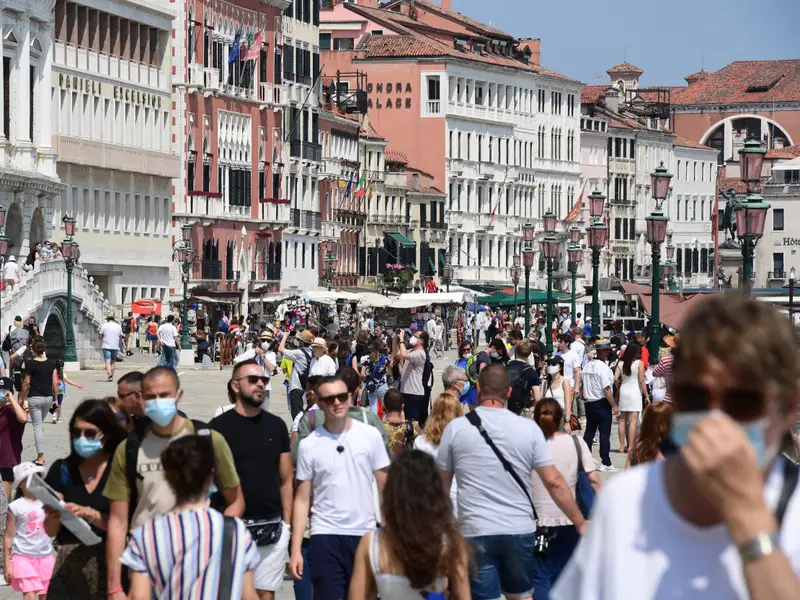
In the realm of urban adventures,where the allure of faraway lands and hidden gems beckons,a curious phenomenon has emerged. Amidst the throngs of eager travelers, a chorus of whispers is growing louder: some European cities are declaring, “Tourists, be gone!” From the labyrinthine streets of Venice to the sun-drenched terraces of Barcelona, a quiet revolution is brewing as residents rise up to reclaim their streets and souls from the relentless march of mass tourism. Let us embark on a journey to unravel the intricate tapestry of this urban uprising, exploring the nuances of why some European cities are choosing to embrace solitude over the clamor of the tourist trail.
• Mass Tourisms Shadow: The Agony of European Cities
Impact on Cities: The mass influx of tourists has placed immense strain on European cities.Infrastructure, such as transportation and utilities, faces relentless pressure, leading to overcrowding, environmental pollution, and noise issues. The constant presence of tour groups also impacts the daily life of locals, as they may struggle to use public spaces and interact with their communities. Moreover, the surge in tourism has inflated the cost of living and housing, making it challenging for locals to afford to live in their own cities.
| Issues | Statistics |
|—|—|
| Overcrowded public transportation | 20% increase in passenger congestion in peak hours |
| Air pollution | 15% rise in particulate matter emissions in tourist areas |
| Noise pollution | 25% increase in decibel levels in popular destinations |
| Increased cost of living | 10% surge in rental prices in highly touristic neighborhoods |
• Restoring Harmony in Urban Enclaves: A Locals Plea
Locals in European cities are increasingly pushing back against the influx of tourists, citing a litany of issues including noise pollution, overcrowding, rising costs of living, and erosion of local culture. they argue that tourists often behave disrespectfully, ignoring local customs and traditions. To address these concerns, some cities are implementing measures such as limiting the number of tourists allowed in certain areas, increasing fines for disruptive behavior, and promoting sustainable tourism that benefits locals.
| Issue | Impact |
| Noise pollution | Sleep deprivation, stress, hearing damage |
| Overcrowding | Difficulty navigating, long lines, lack of privacy |
| Rising costs of living | Increased rent and property prices, inflation |
| Erosion of local culture | Loss of customary practices, displacement of locals |
• Unveiling the Burden of Broken Infrastructure: Preserving Heritage Amidst Overcrowding
The impact of excessive footfall on historic cities extends far beyond aesthetics.
Broken pavements, crumbling facades, and strained sewage systems paint a grim picture of the toll taken by relentless crowds. In Venice,the relentless flow of tourists has left the city with a third of its residents leaving in the past 50 years,and the threat of further depopulation looms large. Barcelona, Prague, and Amsterdam stand on the precipice of similar crises, with residents overwhelmed by the burden of overcrowding, noise, and pollution.
Preserving these living museums for future generations demands a delicate balancing act. Tourists bring much-needed revenue, but their presence cannot come at the expense of the city’s soul. Authorities must prioritize the well-being of long-term residents and the integrity of historic fabric over short-term tourist revenue gains.
• Balancing Tourism and Liveability: embracing Sustainable Solutions for European gems
In a bid to reclaim their cities from the relentless tide of tourists, several European destinations are implementing innovative strategies. Amsterdam has introduced a “hotel stop” to halt new hotel developments and curb Airbnb rentals, while Barcelona has enforced strict regulations on short-term lets and increased pedestrian zones. Copenhagen has taken a forward-thinking approach, transforming public spaces into vibrant green oases that both locals and visitors can enjoy. By embracing sustainable tourism models, these cities aim to preserve their cultural heritage, improve air quality, and enhance the quality of life for residents without sacrificing the economic benefits that tourism brings.
Key Takeaways
As the sun begins its farewell descent, casting a golden glow upon the cobblestone streets, we are left to ponder the intricate dance between tourism and urban harmony. While the vibrant allure of European cities draws visitors from far and wide, the impact on local life invites contemplation. By embracing a nuanced understanding of this delicate balance, we can forge a path forward that ensures these cherished destinations remain both welcoming and authentic for generations to come. For in the eternal tapestry of human experience, the harmonious coexistence of preservation and progress weaves a vibrant masterpiece.