

Introduction to Travel Writing

Travel writing is an art form that goes beyond describing locations. It tells stories of journeys, cultures, and people. A travel writer becomes both a guide and a storyteller, showing readers not just where to go, but why it matters. This section sets the stage for why travel writing remains powerful in a world of endless online content.
Why Travel Writing Matters in Today’s World
In the digital era, we can see places on Instagram or YouTube instantly. But travel writing adds depth that pictures cannot capture. It gives personal stories, historical context, and human emotions that bring destinations alive.
The Difference Between Travel Blogging and Travel Writing
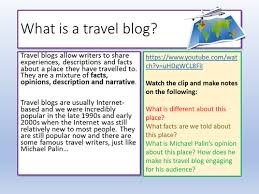
Blogging often focuses on personal experiences, reviews, and tips. Travel writing, on the other hand, emphasizes storytelling, emotional connection, and cultural understanding. Both are valuable, but learning the balance is key for modern writers.
Core Skills Every Travel Writer Needs
Great travel writers master observation, note-taking, research, descriptive writing, and empathy. They know how to listen, watch, and reflect before putting pen to paper.
Understanding Your Audience
Every story should be tailored to readers. Writing for budget travelers looks different than writing for luxury travelers. Family-focused content is different from adventure-focused writing.
Choosing the Right Travel Writing Style

Styles include narrative essays, guidebook-style, memoir-style, or journalistic. A strong writer adapts style depending on audience and platform.
Storytelling in Travel Writing
At its heart, travel writing is storytelling. Writers must craft beginnings that hook readers, middles that build curiosity, and endings that leave a lasting impression.
Building Narratives from Journeys
A simple trip from airport to hotel can be a story. By noticing details—taxi conversations, smells of street food, music from passing cars—you turn an ordinary journey into a narrative.
Observation Skills for Writers
Sharp observation creates vivid writing. Notice not only what you see, but also what you hear, taste, smell, and feel.
Taking Effective Travel Notes
Write notes quickly after experiences. Capture names, sensory details, and emotions. These small notes become the foundation for your final stories.
Photos complement words. While writing should paint a picture, photos anchor stories and add credibility.
Writing About Landscapes and Nature
Nature writing requires metaphors, textures, and movement. Instead of just saying “green forest,” describe the light falling on moss, or the silence between bird calls.
Capturing the Spirit of Cities and Towns
Cities have personalities—fast, chaotic, calm, romantic. Your job is to capture their “soul” with descriptions of streets, people, and rhythms.
Food Writing as a Travel Tool
Food reveals culture. Writing about local dishes connects readers to history, tradition, and flavor. Always describe taste, smell, and atmosphere.
Writing About People and Cultures Respectfully
Respect is crucial. Avoid stereotypes and listen to people’s stories instead of projecting assumptions.
Sensory Writing Engaging All Five Senses
Good writing engages sight, smell, touch, taste, and sound. Readers should “feel” the place as if they were there.
Using Dialogue in Travel Narratives
Adding conversations makes writing come alive. A line spoken by a local can say more than a full paragraph.
Describing Movement and Action
Journeys are dynamic—boats rocking, buses honking, feet aching. Writing about action keeps stories alive.
Research Before You Travel
Good writers research history, traditions, and must-see places before going. This makes writing richer and more accurate.
Writing With Historical and Cultural Context
Explaining the history behind landmarks makes writing more powerful. Readers appreciate learning why something matters.
Overcoming Writer’s Block on the Road
Travel fatigue sometimes blocks creativity. Journaling, freewriting, or voice recording helps keep ideas flowing.
Journaling vs Polished Travel Writing
A journal is for raw notes; polished writing is for readers. Transforming journals into narratives is a key skill.
Editing Your Travel Drafts
Editing makes writing professional. Remove repetition, clarify ideas, and sharpen descriptions.
The Importance of Voice and Tone
Your “voice” makes you unique. It’s how you sound on the page—casual, poetic, humorous, or serious.
Adding Humor and Personality
Travel often includes funny mistakes. Sharing them makes writing relatable and enjoyable.
Balancing Facts and Personal Impressions

Readers want both practical details and emotions. Balance “how to get there” with “how it feels to be there.”
Ethics in Travel Writing
Writers must avoid exploitation, be truthful, and respect local cultures.
Avoiding Stereotypes and Misrepresentation
Don’t generalize. Focus on specific details and authentic experiences.
Writing for Travel Magazines and Websites
Magazines want polished, narrative-driven pieces. Websites often want SEO-rich, practical guides. Learn to write both.
How to Pitch Editors Successfully
Strong pitches include a clear idea, unique angle, and sample writing.
Blogging Platforms for Travel Writers
Platforms like WordPress, Medium, and Substack are popular for personal travel blogs.
Social Media and Travel Writing
Instagram, Twitter, and TikTok can amplify your reach. Pair photos with strong captions.
Creating Multimedia Travel Content
Videos, reels, and podcasts add layers to your storytelling.
Travel Vlogs vs Written Travelogues

Vlogs are fast and visual. Written work offers reflection and depth. Many writers combine both.
Monetizing Travel Writing
Income streams include freelancing, affiliate marketing, ads, and brand collaborations.
Freelance Travel Writing Careers
Freelancers pitch to magazines, websites, and companies. Persistence and networking are key.
Building a Personal Brand as a Travel Writer
Consistency in style, message, and niche builds a strong brand identity.
Networking with Other Travel Writers
Attend workshops, join forums, and collaborate. Community creates opportunities.
Travel Writing Competitions and Awards
Competitions provide exposure and credibility. Submitting regularly improves skills.
Teaching Others Through Your Stories
Travel writing can educate about cultures, sustainability, and respect.
Travel Writing Exercises for Practice
Exercises help writers sharpen observation, description, and narrative skills.
Analyzing Great Travel Writers
Study authors like Paul Theroux, Pico Iyer, or Elizabeth Gilbert to learn techniques.
Writing About Hidden Gems vs Popular Spots
Balance between “off-the-beaten-path” and well-known destinations keeps writing fresh.
The Role of Adventure in Travel Writing
Adventure creates drama—rafting rivers, climbing mountains, or getting lost in alleys.
Sustainable and Responsible Travel Writing
Promote eco-friendly practices and responsible tourism through your stories.
Writing for Families and Solo Travelers
Tailor advice: families need safety and convenience, while solo travelers value independence and exploration.
The Future of Travel Writing in Digital Age
AI, VR, and immersive media are reshaping travel storytelling. Writers must adapt.
Common Mistakes Travel Writers Make
- Overloading with clichés.
- Writing without research.
- Ignoring editing.
Final Tips for Aspiring Travel Writers
Write daily, read widely, travel curiously, and always keep learning.
51–56 Workshop Exercises
Each exercise helps you practice travel storytelling—from writing openings to capturing food or interviewing locals.
Workshop Q and A Section
Answers to common beginner questions about writing, pitching, and publishing.
Recommended Books on Travel Writing

Suggested readings include The Art of Travel by Alain de Botton, Vagabonding by Rolf Potts, and others.
How to Keep Practicing Daily
Carry a notebook, write 500 words daily, and reflect on every journey.
Table of Contents
Conclusion
Introduction to Travel Writing
Why Travel Writing Matters in Today’s World
The Difference Between Travel Blogging and Travel Writing
Core Skills Every Travel Writer Needs
Understanding Your Audience
Choosing the Right Travel Writing Style
Storytelling in Travel Writing
Building Narratives from Journeys
Observation Skills for Writers
Taking Effective Travel Notes
The Role of Photography in Travel Writing
Writing About Landscapes and Nature
Capturing the Spirit of Cities and Towns
Food Writing as a Travel Tool
Writing About People and Cultures Respectfully
Sensory Writing: Engaging All Five Senses
Using Dialogue in Travel Narratives
Describing Movement and Action
Research Before You Travel
Writing With Historical and Cultural Context
Overcoming Writer’s Block on the Road
Journaling vs. Polished Travel Writing
Editing Your Travel Drafts
The Importance of Voice and Tone
Adding Humor and Personality
Balancing Facts and Personal Impressions
Ethics in Travel Writing
Avoiding Stereotypes and Misrepresentation
Writing for Travel Magazines and Websites
How to Pitch Editors Successfully
Blogging Platforms for Travel Writers
SEO Basics for Travel Content
Social Media and Travel Writing
Creating Multimedia Travel Content
Travel Vlogs vs. Written Travelogues
Monetizing Travel Writing
Freelance Travel Writing Careers
Building a Personal Brand as a Travel Writer
Networking with Other Travel Writers
Travel Writing Competitions and Awards
Teaching Others Through Your Stories
Travel Writing Exercises for Practice
Analyzing Great Travel Writers
Writing About Hidden Gems vs. Popular Spots
The Role of Adventure in Travel Writing
Sustainable and Responsible Travel Writing
Writing for Families and Solo Travelers
The Future of Travel Writing in Digital Age
Common Mistakes Travel Writers Make
Final Tips for Aspiring Travel Writers
Sample Workshop Exercise #1: Writing a Journey Opening
Sample Workshop Exercise #2: Food Memory Story
Sample Workshop Exercise #3: Capturing a Local Market
Sample Workshop Exercise #4: Nighttime Descriptions
Sample Workshop Exercise #5: Interviewing a Local
Sample Workshop Exercise #6: Turning Notes into Narrative
Workshop Q&A Section (Common Student Questions)
Recommended Books on Travel Writing
How to Keep Practicing Daily
Conclusion
Travel writing is a lifelong skill that blends storytelling, culture, and personal discovery. With practice, respect, and passion, anyone can become a writer who inspires others to explore the world.