
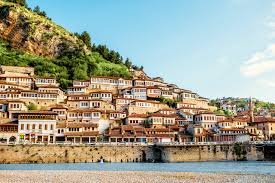
In the heart of the untouched albanian countryside, where ancient customs intertwine with modern sensibilities, lies a tale of architectural preservation adn sustainable growth. Once an impenetrable fortress, the Kulla of Gjon Markagjoni has been revived to its former glory, blending seamlessly into the surrounding natural environment. As a beacon of sustainable tourism, this fortified home invites visitors to delve into the depths of Albanian heritage while embracing contemporary eco-pleasant practices.
– A fortress of Sustainable Tourism: Reviving Tradition in Albania
once the center of Ottoman resistance and now a bastion of heritage conservation, Fortress Rozafa in Shkodër has successfully transformed into a hub for sustainable tourism. The fortress, meticulously restored using traditional techniques and materials, has preserved its ancient charm while seamlessly integrating modern amenities, creating a unique blend of history and comfort. Responsible waste management practices, energy-efficient lighting, and rainwater harvesting systems ensure the fortress’s minimal environmental impact. Visitors can delve into history while enjoying eco-friendly facilities, making Fortress Rozafa an exemplary model for sustainable cultural tourism in Albania.
– Heritage Haven: Blending History and Eco-consciousness
Reviving Tradition: The fortified stone dwelling, aptly named Heritage Haven, was once a testament to the region’s tumultuous past. Yet, through thoughtful restoration and innovative design, it has been transformed into a beacon of sustainable tourism. Preserving the building’s historic character while incorporating eco-friendly practices, Heritage Haven showcases the harmonious fusion of tradition and modernity. Its walls, steeped in centuries of local history, now resonate with the stories of contemporary travelers seeking an immersive and environmentally conscious experience.
– Community Catalyst: Empowering Local economies through Responsible Tourism
In the heart of Albania’s rugged Lekursi region, the fortified home of 1001 Windows stands as a testament to the power of sustainable tourism in reviving local traditions. Once an abandoned relic of the Ottoman era, this architectural gem has been meticulously restored and transformed into a thriving eco-retreat, offering guests a glimpse into the rich cultural heritage of the Balkans while empowering the surrounding community. Through a range of immersive experiences, visitors are invited to engage with local artisans, traditional musicians, and eco-conscious farmers, fostering economic opportunities for the region and preserving centuries-old culinary, music, and craft traditions.
– A Model for Renewal: Reimagining Traditional Architecture for a Sustainable Future
Once serving as a defensive stronghold during the 16th century Ottoman battles, the stone-walled Haxhi Zeka House has been painstakingly restored to reflect its original architectural integrity while also incorporating modern comforts and sustainable practices. From the lush courtyard filled with grapevines to the terraced facades featuring traditional stonework patterns, every element tells the tale of Albania’s rich heritage. As a beacon of sustainable tourism, the house boasts energy-efficient lighting systems and rainwater harvesting for irrigation purposes, demonstrating how ancient wisdom and innovation can blend seamlessly to shape a sustainable future.
Future Outlook
As the sun dips below the ancient walls of the Berat Castle, casting a golden glow on its weathered stone, the echoes of its storied past seem to linger in the air. This fortified home, once a testament to resilience and security, has undergone a remarkable change, emerging as a beacon of sustainable tourism in Albania. By embracing its heritage while welcoming a new era of travelers, the Berat Castle serves as a living reminder that tradition and modernity can coexist harmoniously, illuminating a path towards a more sustainable and vibrant future for this captivating land.